Why Learning Architecture Is Important for Kids: Understanding the Importance of Architectural Education


Kids love to build, imagine, and experiment. Whether they stack blocks, draw houses, or create worlds with LEGO, they naturally think like young designers. When this curiosity is nurtured with the right guidance, it becomes something powerful. Architectural education takes these everyday activities and transforms them into real-world skills that shape how children see and understand their environment.
As kids learn basic design ideas, they also learn to think differently. They begin to notice patterns, understand shapes, and explore how spaces work. This early exposure strengthens creativity, spatial intelligence, and problem-solving abilities. It also builds design thinking, a skill that helps children break problems into smaller parts and find practical solutions. Because of this, the importance of architectural education reaches far beyond drawing or building models.
Moreover, architecture teaches kids to be more aware of the world around them. They develop a sense of responsibility toward people, culture, and the environment. These lessons stay with them for life and influence how they make decisions as adults.
In this blog, you’ll explore the evolution of architectural learning for kids, key benefits, essential skills, hands-on tools, activities, trends, challenges, real-world examples, statistics, and the future of this growing field. By the end, parents and educators will have a clear roadmap to nurture design-oriented thinking in children.
Let’s begin by understanding what architectural education really means for young learners.
Understanding Architectural Education for Kids
Architectural education for kids introduces children to the world of design in a simple, playful, and interactive way. Instead of focusing on complex formulas or technical drawings, it helps young learners explore how spaces, shapes, and structures work. This early exposure builds curiosity and encourages kids to think about how buildings are created and how people use them.
Unlike academic architecture taught in colleges, this approach stays light and hands-on. Children learn through activities rather than heavy theory. College students study engineering, materials, and advanced design principles. Kids, however, learn through observation, experimentation, and creative exploration. Because of this difference, architectural education for kids feels more like guided play than formal study.
Most activities are practical and fun. Children may try:
Drawing simple floor plans of their bedroom
Building mini models using cardboard, clay, or LEGO
Observing nearby buildings to notice patterns, windows, or shapes
Sketching basic structures like bridges or playgrounds
These exercises introduce essential design ideas without overwhelming them. They also support cognitive development. As kids draw, build, and imagine, their spatial reasoning improves. Their memory, planning ability, and creative thinking grow stronger, too. Studies show that children who engage in design-based activities often perform better in STEM subjects.
Visual learning plays a big role as well. Simple sketches, colourful layouts, or kids building small models help them connect ideas to real spaces. These visuals make concepts easier to understand and more exciting to explore.
Overall, an introduction to architecture for children builds strong mental skills while keeping learning enjoyable. Now, let’s explore how this form of education has evolved over the years.
The Evolution of Architecture Learning for Children
The history of architectural education for kids has changed dramatically over the years. In earlier times, children learned through traditional craftsmanship. They observed builders, helped with simple tasks, and picked up skills by watching adults. This form of learning was practical, hands-on, and rooted in real-life experiences.
As the industrial era arrived, learning shifted. Cities expanded, machines replaced manual labour, and formal schools became common. During this period, design learning became more structured. Children were introduced to drawing, geometry, and basic model-making, although architecture was still not a formal subject for young learners.
Eventually, the evolution of design learning accelerated with the rise of technology. Modern education systems began embracing design thinking, creative problem-solving, and spatial reasoning. These concepts became essential as schools around the world integrated STEM programs. Soon after, STEAM emerged, adding “Arts” to encourage more creative exploration.
Global organisations also played a key role. UNESCO promoted creative education and encouraged countries to support hands-on learning. As a result, more institutions started offering architecture-inspired activities for kids. Today, STEAM programs are growing rapidly. Reports show a year-over-year increase of nearly 20% in STEAM-based learning initiatives for children worldwide.
Because of these advancements, architecture learning has become more accessible, engaging, and future-focused. In the next section, we’ll look at why this shift matters so much for today’s kids.
Why Architecture Matters for Kids Today
The importance of architectural education is more visible than ever as kids grow up in a world shaped by design, technology, and fast-changing environments. Architecture helps them understand how spaces work, why design matters, and how their ideas can shape the world around them. Because of this, the benefits of architecture for kids go far beyond drawing or building simple models.
Boosts Creativity and Imagination
Architecture encourages children to think freely and explore new ideas. They learn to play with shapes, colours, patterns, and structures in ways that spark imagination. When kids sketch their dream house or build a tower from blocks, they experiment with artistic expression and structural thinking at the same time.
Research also supports this. Several studies link architectural learning with higher creative intelligence, especially in early childhood. Kids exposed to design tasks often show better originality and flexibility in thinking. This boost in creativity becomes a lifelong asset.
Strengthens Spatial Awareness & Math Skills
Architecture naturally strengthens spatial reasoning. Kids learn concepts like symmetry, scale, balance, and proportion through hands-on design activities. They begin to understand how objects relate to each other in space, which improves both math and memory skills.
Real-life examples make this even clearer:
Arranging furniture in their room
Building LEGO sets with specific dimensions.
Drawing simple layouts or floor plans
Creating models that need balance and stability
As they practice, they start recognising patterns and solving visual puzzles faster. These skills later support subjects like geometry, physics, and engineering.
Enhances Problem-Solving & Critical Thinking
Designing anything, even a cardboard model, requires decision-making. Kids ask questions like: Will this stand? Does this room get enough light? Should this shape be bigger? Through these small choices, they learn to analyse problems and test solutions.
Architecture turns challenges into opportunities. Children learn to improve designs, try new ideas, and think ahead. This mindset strengthens critical thinking and builds confidence in their problem-solving abilities.
Builds Empathy and Environmental Awareness
Architecture also teaches empathy. When kids design a space, they think about how people will use it. They consider comfort, safety, accessibility, and emotions. These reflections help them understand human needs more deeply.
Additionally, architecture introduces children to sustainability. They learn why natural light matters, how green spaces help communities, and why eco-friendly materials are important. As a result, they develop environmental awareness early, which shapes responsible decision-making as they grow.
Together, these benefits show why architectural learning is a powerful tool for modern education. Next, let’s explore the key concepts children learn when they step into the world of design.
Key Concepts Kids Learn in Architectural Education
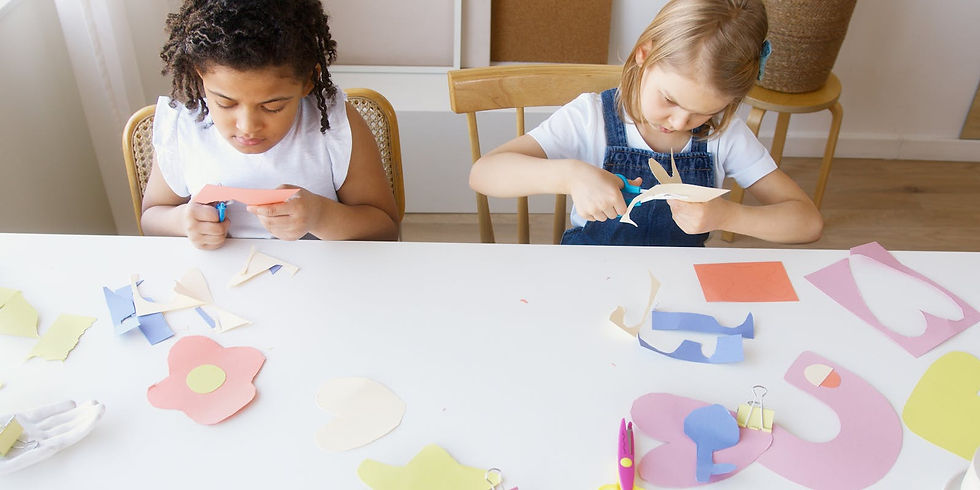
When children explore basic architecture concepts for kids, they begin to understand how design shapes the world around them. These concepts introduce them to the foundations of architecture in a simple and enjoyable way. With hands-on examples and everyday visuals, kids quickly connect these ideas to real spaces.
Shapes, Forms, and Structures
Architecture starts with shapes and forms. Kids learn that every building begins as a combination of circles, squares, rectangles, and triangles. They see how shapes create stronger structures when combined thoughtfully. For example, triangles offer stability, while rectangles create rooms and hallways.
Children often discover these ideas while stacking blocks, building with LEGO, or drawing simple structures. As they experiment, they learn how forms support each other and why certain shapes work better in different designs. These early lessons build imagination and structural understanding.
Colours, Textures, and Aesthetics
Kids quickly notice that buildings come in different colours and finishes. Architectural education helps them understand why these choices matter. Colours affect mood, textures add interest, and combinations make spaces more appealing.
Real-world examples make this easy to grasp:
The warm colours of a cosy café
The smooth glass surface of a modern building
The rough texture of brick walls
Children learn that good design is not just functional but also beautiful. This awareness develops their artistic sense and visual creativity.
Space Planning and Functionality
Space planning teaches children how to organise areas so they work well. Kids learn that every room has a purpose, and good design supports that purpose. They see why bedrooms need privacy, kitchens need flow, and play areas need open space.
Simple activities help them practice:
Drawing a layout of their room
Designing a playground
Deciding where furniture should go
These tasks improve decision-making and spatial intelligence.
Balance, Symmetry, and Proportion
Kids also explore balance and symmetry, which helps designs look stable and pleasing. They learn why buildings with even shapes feel balanced and how proportion affects comfort. For instance, a door that is too small feels awkward, while a window that is too large overwhelms the room.
Hands-on sketches or building mini models make these ideas easy to understand.
Together, these concepts lay a strong foundation for deeper architectural learning. Next, let’s look at how practical activities bring these lessons to life.
Practical Activities and Hands-On Learning
Practical experiences play a major role in architecture activities for kids because they help children turn ideas into real creations. Through hands-on architectural learning, kids understand concepts faster and enjoy the process more. These activities also encourage consistent experimentation, which boosts creativity and confidence.
One of the most effective approaches is model-making. Children can build structures using cardboard, LEGO, clay, or recycled materials. These simple models help them understand form, balance, and stability. Kids often learn best when they create something they can touch and adjust, which makes model-making ideal for early designers.
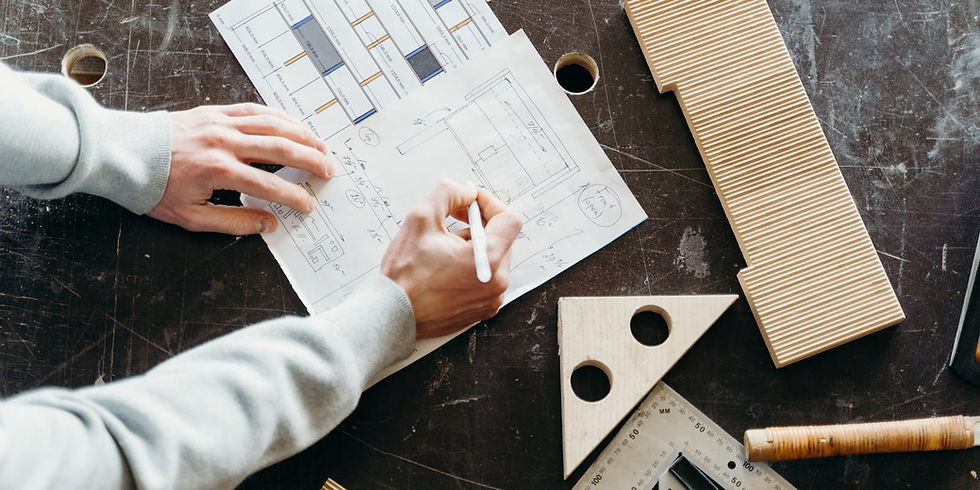
Drawing blueprints is another engaging activity. Kids can sketch floor plans of their rooms or design imaginary buildings. These drawings teach them about shapes, flow, and proportion. Because children love sketching, blueprint drawing becomes both playful and educational.
Real-world exploration is equally powerful. Visiting landmarks, parks, or interesting local buildings helps children observe design details. They notice patterns, textures, and structures they may have missed before. Even a short walk around the neighbourhood can spark new ideas.
Digital tools now add another learning layer. Platforms like SketchUp for Schools and Tinkercad allow kids to design simple 3D models. These tools encourage experimentation and introduce them to modern design technology.
A great example comes from a school program that offers weekly architecture workshops. Students create models, study famous buildings, and use digital tools to design small structures. Teachers observed improved problem-solving skills and higher classroom engagement within months.
Together, these activities make architecture exciting and accessible for young learners. Next, we’ll explore the top tools and resources that support their creative journey.
Tools and Resources for Teaching Architecture to Kids

The right tools make architectural learning fun, engaging, and accessible. Today, kids can explore design through digital platforms, creative kits, and hands-on materials. These architecture tools for kids help them understand shapes, structures, and space in a simple, interactive way.
Digital tools are a great place to start. Tinkercad is one of the most popular beginner-friendly platforms. It allows kids aged 7 and above to create 3D models using easy drag-and-drop shapes. SketchUp for Schools offers a similar experience for slightly older learners, usually ages 10 and up. These tools introduce children to modern design technology without overwhelming them.
Hands-on kits are equally valuable. Many educational kits for architecture give kids the chance to experiment with real materials. Popular choices include:
LEGO Architecture sets for ages 8+
3D pens for ages 10+ to create simple structures
Foam and cardboard model kits for ages 7+
Architecture sketchbooks that encourage children to draw buildings, layouts, and patterns
These resources help kids understand structure, balance, and creative expression through tactile learning.
Free online resources also play a big role. Museums and universities often provide downloadable worksheets, virtual tours, and kid-friendly design challenges. Institutions like the Smithsonian, MoMA, and several architecture schools regularly publish child-focused activities that support early design learning.
Because each tool suits different ages, parents and teachers can mix digital, physical, and visual resources to create a balanced learning experience.
With the right resources in place, kids can dive deeper into real-world challenges and explore architecture from multiple angles.
Statistics Showing the Impact of Architecture Learning on Kids
The influence of design education is becoming clearer as more research highlights its long-term benefits. Recent architecture education statistics show that early exposure to design-based activities supports stronger cognitive development. Because architecture blends art, math, and problem-solving, it aligns naturally with STEAM learning goals.
Studies from global STEAM programs reveal that children involved in design activities often show up to 30% improvement in spatial reasoning. This matters because spatial skills strongly predict future success in STEM fields. Research published in educational psychology journals also suggests that kids with higher spatial awareness perform better in geometry, physics, and engineering-related tasks.
Architecture learning boosts more than spatial skills. Data shows:
25% improvement in creative thinking after regular model-making activities
20–28% growth in problem-solving abilities when kids engage in design challenges
15% higher academic performance in math for children involved in hands-on architectural learning
Additionally, a STEAM impact study found that kids who work on design projects at least twice a week demonstrate better focus and stronger analytical thinking. These improvements directly support critical academic outcomes.
Because these statistics continue to rise each year, educators are placing more emphasis on creative, spatial, and design-based learning.
Next, let’s explore how parents and teachers can overcome common challenges in architecture education for kids.
Challenges Parents & Educators Face — And How to Overcome Them
Many parents want to introduce design concepts early, yet the challenges of architectural education often hold them back. Limited resources, low awareness, and the lack of a structured curriculum create confusion. Kids show interest, but adults sometimes hesitate because they assume architecture requires advanced skills. Fortunately, simple solutions can bridge this gap without adding pressure.
One major issue is access to proper learning tools. However, you can start with everyday items. Cardboard, paper cups, blocks, and clay offer enough flexibility for basic design play. Even quick DIY tasks—like building a small bridge from straws—help children understand structure. These hands-on activities also reduce dependency on expensive materials, which makes learning more accessible.
Parents and teachers also struggle because they feel they need design expertise. Yet kids mostly need guidance, not perfection. You can support them by asking open-ended questions like, “Why did you choose this shape?” or “How can you make it stronger?” These prompts encourage problem-solving while keeping the activity fun. Moreover, free apps such as SketchUp for Schools or Tinkercad provide easy digital exploration. Since these tools use simple interfaces, even beginners can demonstrate basic concepts confidently.
Community workshops are another helpful option. Local libraries, makerspaces, and online groups often run STEAM events where families learn together. These spaces offer shared resources and guidance, easing many challenges of architectural education. They also allow kids to experiment with real-world ideas in a supportive environment.
With these simple solutions for teaching architecture, parents can nurture creativity without feeling overwhelmed. Next, let’s explore how to bring these ideas into everyday learning.
Global Trends in Kids’ Architectural Education
The world is seeing a strong shift in how children learn design, and these architectural trends for kids are reshaping classrooms everywhere. Schools now integrate architecture into broader STEAM programs, which helps students connect creativity with logic. Because STEAM encourages hands-on problem-solving, children understand real concepts faster. Many teachers also prefer this approach since it blends art and engineering in a natural, engaging way.
Project-based learning is another growing movement. Kids learn best when they build something meaningful, so educators now assign small design challenges. These tasks might include planning a tiny home model or redesigning a public park. As students test ideas and refine their structures, they develop patience, teamwork, and spatial reasoning. This method feels practical and keeps students excited about the future of architectural education.
Sustainability also plays a huge role worldwide. Schools introduce green design through simple examples such as solar paper houses, recycled-material models, or mini rainwater systems. Children learn why eco-friendly choices matter, and they practice building smarter solutions. Since climate awareness is rising, this trend continues to grow each year.
Digital tools elevate these lessons even further. VR and AR platforms let kids “enter” the spaces they design and explore scale safely. Apps like CoSpaces or ARki offer interactive walkthroughs that feel immersive. Meanwhile, AI-assisted tools simplify complex tasks by suggesting shapes, materials, or layouts. Kids who struggle with drawing gain confidence because these tools guide them gently.
Several global programs highlight these innovations.
Examples include:
Japan’s early-grade spatial reasoning labs
Finland’s school workshops focused on sustainable town planning.
US-based architecture camps that mix STEAM, VR, and real model-making
Together, these programs show how accessible design has become for young learners.
All these trends point toward a more creative, tech-driven approach to the future of architectural education, setting the stage for even deeper exploration in the next section.
The Future of Architecture Education for Young Learners
The future of architectural learning is evolving quickly, and young students now have more opportunities to explore design than ever before. As technology grows, architecture becomes more accessible, and children learn skills that once belonged only to trained professionals. Because they start early, they gain confidence and curiosity that shape long-term interests.
Tomorrow’s design world will create new roles for innovative thinkers. Kids exposed to architecture today may become:
Eco-designers who build sustainable homes
Smart city planners who shape energy-efficient cities
3D construction specialists who use robotics and printed materials
Since these fields are expanding, early exposure gives children a major advantage. They learn to observe spaces, question systems, and think visually. Moreover, hands-on practice builds problem-solving skills that support many other careers. Even simple model-making trains them to understand structure, balance, and purpose.
Technology will push this progress even further. AI, AR, and automated tools will continue to simplify complex tasks. As a result, kids will design with more precision and creativity. Sustainability will also stay at the centre of architecture for future generations, encouraging young learners to focus on energy use, natural materials, and long-term impact.
All signs indicate a future where creativity, tech, and eco-awareness blend seamlessly, guiding young designers toward meaningful contributions in the next era of architecture.
FAQs
1. What is architectural education for kids?
Architectural education for kids introduces children to buildings, design principles, and creative problem-solving. It helps them understand how spaces work and encourages them to think visually. Because the approach stays playful, kids learn through exploration rather than pressure.
2. At what age should children start learning architecture?
Children can start as early as five through simple activities. As they grow, they can try structured projects. Since the learning stays flexible, you can adjust tasks based on interest.
3. How does architecture help in cognitive development?
Architecture boosts spatial reasoning, which supports math and science skills. It also strengthens memory and concentration. Moreover, creative tasks improve decision-making and introduce kids to real-world problem-solving.
4. Do kids need drawing skills to learn architecture?
Kids do not need advanced drawing skills. They can start with basic sketches. Later, they can use digital tools that guide them step-by-step, which builds confidence without pressure.
5. What simple architecture activities can kids try at home?
Kids can try easy, hands-on activities such as:
Building models with cardboard or blocks
Creating simple room layouts
Observing local buildings
Using beginner-friendly design apps
Conclusion
Architecture shapes how children observe, think, and create, and it guides them toward a deeper understanding of the world around them. Early exposure to architectural learning strengthens spatial reasoning, boosts analytical thinking, and encourages creativity. Moreover, it prepares young minds for future opportunities across science, technology, engineering, art, and design.
Because kids learn best through hands-on experiences, parents and educators can integrate simple activities, beginner-friendly tools, and engaging STEAM programs into everyday learning. These small steps make architectural thinking accessible to every child, regardless of background.
If you want to take the next step, explore our learning resources, subscribe to updates, or download free worksheets designed for young creators. Feel free to join our upcoming workshops to support your child’s architectural journey.


Comments