How Architectural Design Boosts Creativity and Problem-Solving in Kids

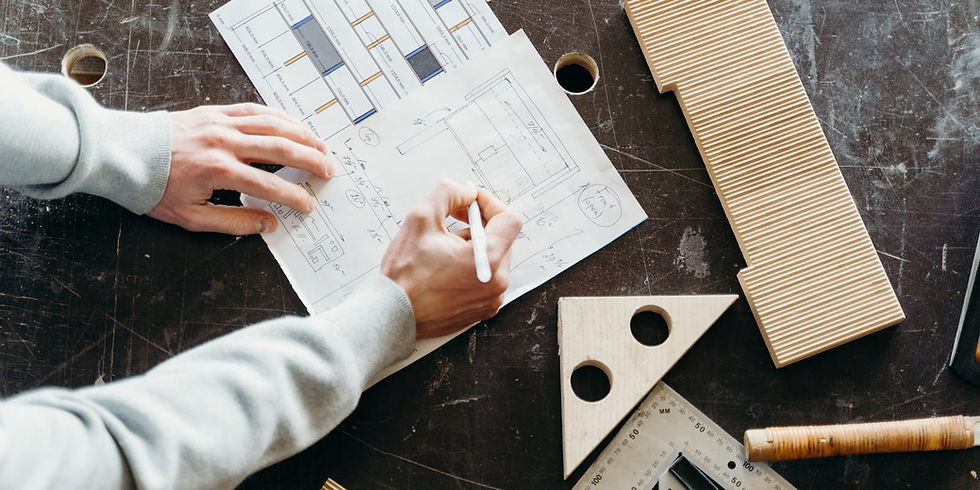
Children are naturally curious, inventive, and full of ideas. Yet, in today’s fast-paced world, nurturing their creativity and problem-solving skills has never been more important. One exciting way to do this is through architectural design. While architecture often seems like an adult field, it offers children incredible opportunities to explore, imagine, and create. By engaging with architectural activities, kids develop spatial awareness, cognitive abilities, and even social skills as they collaborate on projects.
Creativity through architecture allows children to see the world differently. Simple activities like building miniature houses, designing playgrounds, or arranging modular blocks encourage critical thinking and experimentation. They learn to plan, visualise outcomes, and solve unexpected challenges — all in a playful and hands-on way. Additionally, these exercises help them connect abstract ideas to tangible results, strengthening both imagination and logic.
In this blog, we will explore how architectural learning benefits children at every stage. You’ll discover the science behind architecture and creativity, essential concepts kids learn, practical activities, useful tools, and even modern trends shaping architectural education. We will also address common challenges and discuss the future scope of using design as a powerful tool for nurturing young minds.
Next, let’s dive into how architecture sparks creativity and problem-solving in children.
Understanding Creativity Through Architecture
Creativity through architecture is more than drawing or building. It is a way for children to explore ideas, solve problems, and express themselves visually. In the context of child development, it strengthens critical thinking, spatial reasoning, and imaginative skills. By working on hands-on design projects, kids learn to connect abstract concepts with tangible outcomes. This connection fuels both creativity and logical thinking.
Architectural education for kids encourages experimentation in a safe and structured way. When children construct models or design small spaces, they practice decision-making and adaptability. For example, building a cardboard city or a Lego structure helps them plan layouts, balance structures, and visualise solutions. These activities teach that mistakes are part of learning, which enhances problem-solving skills naturally.
Hands-on projects also foster collaboration. Kids often work in pairs or small groups, sharing ideas and negotiating design choices. Mini urban planning exercises or classroom projects, like creating a playground model, encourage discussion, teamwork, and empathy. These social interactions strengthen communication skills alongside creative abilities.
Some practical examples of activities include:
Model Building: Using clay, cardboard, or recycled materials to create houses or bridges.
Lego or Block Projects: Encouraging children to design towers, landscapes, or imaginative cities.
Mini Urban Planning: Drawing street layouts, parks, and community spaces on paper or digitally.
Digital Design Tools: Simple apps like Tinkercad or Minecraft Education allow children to experiment virtually.
Visual aids, such as diagrams, photos of projects, or step-by-step illustrations, make learning more engaging. They also provide inspiration, showing children how creative ideas can become real structures. Incorporating visual examples helps reinforce lessons and sparks curiosity.
Overall, creativity through architecture allows children to learn by doing. It transforms play into purposeful learning, making complex concepts accessible and enjoyable. By combining imagination, problem-solving, and hands-on activity, architectural education for kids becomes a powerful tool for cognitive and social growth.
Next, we will explore the evolution of architectural learning for children and how it has shaped modern educational approaches.
The Evolution of Architectural Learning for Children

The history of architecture for kids dates back decades, with educators recognising the value of hands-on design in childhood development. Early education pioneers emphasised creative exploration, helping children connect ideas with physical outcomes. Over time, this approach evolved into structured methods that blend play, problem-solving, and critical thinking.
Montessori methods laid the foundation for child-centred design learning. Children engage with materials that encourage construction, spatial reasoning, and experimentation. Similarly, the Reggio Emilia approach emphasises project-based learning, where children explore architectural concepts through observation, collaboration, and hands-on creation. These methods highlight the importance of autonomy, creativity, and real-world application in learning.
In recent years, STEAM curricula have integrated architecture into schools worldwide. Students design models, plan mini urban spaces, or use digital tools to visualise their ideas. Notable case studies include:
The LEGO Education Program: Schools using LEGO-based activities have reported a 35% increase in problem-solving skills.
Studio Schools in the U.K.: Emphasise design projects that combine architecture, art, and engineering for children aged 5–12.
Tinkercad and Maker Spaces in U.S. Schools: Encourage digital modelling and 3D printing for project-based learning.
Statistics show a growing adoption of architecture-inspired activities in early education. Approximately 62% of elementary programs in the U.S. now incorporate design-based learning, up from 45% a decade ago. This shift reflects recognition that creativity through architecture enhances both cognitive and social skills in children.
By tracing the evolution of architectural learning for children, we see how traditional methods, modern curricula, and innovative programs work together. Next, we will examine the key concepts children develop through architectural education.
Key Concepts Kids Learn Through Architecture
Architectural concepts for kids go beyond building structures. They nurture critical thinking, creativity, and social skills. By engaging with hands-on projects, children explore design principles, spatial relationships, and collaborative problem-solving. These experiences lay the foundation for lifelong learning and innovation.
Spatial Awareness and Geometry
Spatial awareness is one of the first skills children develop through architecture. Activities like constructing block towers or designing miniature houses improve their understanding of dimensions, shapes, and balance. For example, arranging furniture in a model room teaches children how objects interact in space. Studies show that early exposure to spatial tasks enhances mathematical reasoning and visual cognition. Sketches or simple diagrams of their designs can help children visualise concepts more clearly and track their progress.
Problem-Solving and Critical Thinking
Design thinking for children thrives when they face real-world challenges. When a bridge model collapses, or a Lego tower leans, children learn to analyse causes and test solutions. These experiences foster resilience and creativity. Activities such as redesigning a playground layout or planning a small garden space teach them to consider constraints, weigh alternatives, and iterate on their ideas. Research indicates that architectural tasks can improve executive function and decision-making skills in children.
Collaboration and Communication
Architecture also enhances social and communication skills. Kids often work in pairs or groups, sharing ideas, negotiating roles, and presenting designs. For instance, building a classroom city model encourages discussion, compromise, and teamwork. Visual tools like diagrams, blueprints, or before-and-after design models allow children to explain their ideas clearly. Collaborative projects help them learn empathy and respect for others’ perspectives while reinforcing creativity through architecture.
Through these core concepts — spatial awareness, problem-solving, and collaboration — children gain practical skills and cognitive growth. Architectural education for kids turns playful exploration into meaningful learning.
Next, we will explore practical applications, including hands-on activities, tools, and projects children can try at home or school.
Practical Applications: Activities and Projects
Architectural activities for kids turn learning into hands-on fun. They help children explore design, develop problem-solving skills, and express creativity. By engaging in practical projects, children connect abstract concepts with real-world outcomes.
Indoor Architecture Activities
Indoor exercises offer safe, controlled environments for experimentation. Simple activities include:
Building forts or cardboard houses: Kids practice planning, balance, and spatial awareness.
Using modular blocks or Lego sets: Children can design towers, bridges, or small cities, experimenting with symmetry and stability.
Creating model rooms or miniature furniture: Enhances spatial visualisation and attention to detail.
For best results, encourage children to sketch their ideas first. Diagrams or step-by-step visuals help them organise thoughts and track progress. Additionally, parents and educators can assess outcomes by observing creativity levels, problem-solving strategies, and task persistence.
Outdoor Architecture Projects
Outdoor activities let children explore larger-scale designs and real-world interactions. Examples include:
Designing playground layouts: Kids plan pathways, slides, or sand areas while considering space, safety, and functionality.
Constructing simple garden structures: Small bridges, planters, or pathways teach planning, measurement, and teamwork.
Temporary sculptures with natural materials: Stones, sticks, and leaves allow for imaginative, eco-friendly creations.
Outdoor exercises encourage collaboration, teamwork, and real-time problem-solving. They also foster sensory engagement, giving children a better understanding of textures, proportions, and environmental design.
Digital Tools and Apps
Technology can enhance architectural learning for children. Popular tools include:
Tinkercad: Let's kids design 3D models for printing or virtual exploration.
Minecraft Education: Encourages urban planning, structural design, and collaboration in a gamified environment.
3D Printing: Transforms digital designs into tangible objects, reinforcing design thinking and iterative problem-solving.
Digital tools allow children to experiment freely and test multiple solutions quickly. Screenshots, digital diagrams, or progress photos help track improvements in creativity and technical skills.
By combining indoor, outdoor, and digital projects, children gain a holistic architectural education. These activities develop creativity through architecture while improving cognitive and social skills.
Next, we will explore the science behind architecture and creativity, explaining why these activities boost brain development.
The Science Behind Architecture and Creativity

The neuroscience of creativity reveals how hands-on design activities influence brain development. When children engage in architectural tasks, they activate regions responsible for visual-spatial reasoning, problem-solving, and cognitive flexibility. These activities challenge the brain to process complex relationships between shapes, dimensions, and functional structures.
Research shows a strong connection between architectural learning and higher creativity scores in children. A study published in Child Development Research found that students who participated in design-based projects scored 20% higher in divergent thinking tests. Similarly, activities like model building and 3D design strengthen the prefrontal cortex, enhancing decision-making, planning, and adaptive thinking.
Visual aids, such as simple graphics showing brain areas activated during design exercises, can help children and educators understand these benefits. For example:
Prefrontal Cortex: Supports planning, strategy, and flexible thinking.
Parietal Lobe: Enhances spatial reasoning and coordination.
Temporal Lobe: Encourages memory retention and pattern recognition.
Engaging with architectural activities also boosts fine motor skills, hand-eye coordination, and sensory integration. Children learn to manipulate objects, measure accurately, and test ideas, all of which reinforce neural pathways. Moreover, collaborative design exercises improve social cognition by encouraging perspective-taking and communication.
Statistics further emphasise the impact of architecture on cognitive development:
Children involved in STEAM-based architectural projects show a 35% improvement in problem-solving abilities.
Schools integrating design learning report higher engagement and creativity among students aged 5–12.
Overall, architecture and cognitive development are closely linked. By encouraging children to design, build, and iterate, we help their brains grow more flexible, creative, and capable.
Next, we will explore common challenges in implementing architectural learning and practical ways to overcome them.
Challenges in Implementing Architectural Learning
Despite its benefits, architectural education for kids faces several challenges. Many schools struggle with limited resources, such as building materials, design tools, or dedicated spaces for hands-on projects. Additionally, teachers often lack training in child-centred design methods, making it difficult to implement activities effectively. Age-appropriate curriculum gaps also create obstacles, as younger children require simplified concepts, while older students need more advanced projects.
Other common hurdles include time constraints in school schedules and limited awareness among parents and educators about the value of architectural learning. Without proper support, children may miss opportunities to develop creativity and problem-solving skills through design-based activities.
However, these challenges are not insurmountable. Practical solutions include:
Low-Cost Materials: Using recycled items like cardboard, clay, and blocks for creative projects.
Online Workshops: Leveraging digital tutorials, webinars, and STEAM platforms to guide students.
Parent-Led Projects: Encouraging hands-on activities at home to supplement classroom learning.
Some schools have successfully overcome these obstacles. For example, a community school in Texas introduced a weekly “Design Lab” using inexpensive materials and parent volunteers. Students not only built miniature structures but also collaborated on creative urban planning exercises. Similarly, schools in the U.K. integrate architecture-themed projects into art and math classes, showing measurable improvements in engagement and problem-solving skills.
By addressing challenges with practical strategies, educators can make creativity through architecture accessible to all children.
Next, we will explore emerging trends and innovations shaping architectural education for kids.
Trends and Innovations in Architectural Education
Modern architecture learning is evolving rapidly, thanks to digital tools, gamified platforms, and maker spaces. Schools now provide children with interactive environments where they can explore, experiment, and learn by doing. These spaces encourage creativity, collaboration, and hands-on problem-solving.
Gamified learning platforms, such as Minecraft Education or Tinkercad, allow children to design structures, plan cities, and test ideas virtually. Similarly, maker spaces equipped with 3D printers, modular building kits, and robotics components provide tangible ways for students to bring designs to life. These tools integrate technology with traditional design thinking, boosting engagement and skill development.
Sustainable design projects and AI integration are also shaping architectural education. Children learn to consider environmental impact, energy efficiency, and resource management while designing models or small-scale projects. For instance, incorporating recycled materials into construction projects teaches sustainability alongside creativity. AI-powered tools help students simulate designs and predict structural outcomes, enhancing analytical thinking and innovation.
Global trends show an increasing emphasis on hands-on architectural programs for children. Schools in Finland, Japan, and the U.S. are adopting project-based learning that combines STEAM education, robotics, and architecture. Students engage in collaborative urban planning exercises, STEM-based design challenges, and community-building projects. Visuals of innovative classrooms, interactive workshops, and completed student projects inspire others to replicate these methods.
Some notable examples include:
Digital Design Labs: Classrooms where students model 3D structures and print prototypes.
Robotics-Integrated Architecture Projects: Combining coding, automation, and design thinking.
Eco-Friendly Design Challenges: Teaching kids about sustainability through hands-on experiments.
By embracing these trends, modern architecture learning encourages creativity through architecture while preparing children for future technological and societal challenges.
Next, we will explore the future scope and long-term benefits of architectural education for children.
Future Scope: Why Creativity Through Architecture Matters
The future of architectural education promises exciting opportunities for children. Developing creativity in kids today lays the foundation for problem-solving, innovation, and collaboration skills tomorrow. Architectural learning equips children with tools to think critically, adapt to challenges, and approach tasks with an innovative mindset.
By engaging in design-based activities, children strengthen cognitive abilities while enhancing social and emotional intelligence. For example, collaborative projects improve teamwork, communication, and empathy. These skills are increasingly valued in careers ranging from engineering and urban planning to technology and creative industries. Statistics show that 85% of future jobs will require problem-solving and creative thinking, highlighting the importance of early investment in these skills.
Parents and educators can expand architectural learning through schools, community programs, and online courses. STEAM-focused curricula, virtual design platforms, and local maker spaces offer accessible ways for children to explore architecture. Initiatives like weekend workshops or family-led projects at home can also nurture creativity and hands-on problem-solving.
The potential impact is far-reaching:
Career Readiness: Early exposure builds a strong foundation for STEM and design-related careers.
Innovation Mindset: Children learn to approach challenges creatively and iteratively.
Collaboration Skills: Group projects cultivate teamwork and leadership abilities.
Sustainable Thinking: Designing with purpose encourages environmental awareness and responsibility.
Investing in architectural education today ensures children develop versatile skills for an ever-changing future. By fostering creativity through architecture, parents and educators empower children to become confident problem-solvers and innovative thinkers.
Next, we will address common FAQs to help parents and educators implement architectural learning effectively.
FAQs
At what age is it best to start architectural activities for kids?
Children can begin exploring architectural activities as early as age 3. Simple building blocks, cardboard structures, and drawing exercises develop spatial awareness and creativity gradually. As they grow, more complex projects like Lego cities or miniature urban planning can be introduced.
Can architecture really improve problem-solving skills in children?
Yes. Hands-on design challenges teach children to plan, experiment, and adapt. Research shows that children engaged in architecture-inspired projects score higher in problem-solving and critical thinking tests.
What tools or materials are ideal for creative architecture projects at home?
Low-cost options include cardboard, clay, Lego, wooden blocks, or recycled materials. Digital tools like Tinkercad and Minecraft Education enhance creativity while teaching design thinking.
Are there schools or programs focused specifically on architecture for kids?
Yes. Many schools worldwide now integrate design-based learning into STEAM curricula. Programs often include maker spaces, digital labs, and collaborative architectural projects for children aged 5–12.
How can parents measure their child’s progress in creative skills?
Observation is key. Track problem-solving approaches, design iterations, and collaboration. Progress can also be measured through completed projects, creativity journals, or digital portfolio submissions.
Conclusion
Creativity through architecture nurtures critical thinking, problem-solving, and collaboration in children. By engaging with hands-on design activities, kids develop spatial awareness, resilience, and innovative thinking. These skills are valuable not only in school but also for future careers and personal growth.
Parents and educators can start immediately with practical tools and activities: building forts, designing Lego or cardboard projects, exploring Tinkercad, or participating in community maker spaces. Even small, daily exercises encourage experimentation and creativity while reinforcing design thinking.
To take it further, consider joining workshops, exploring online architectural programs, or downloading our free guide filled with creative building exercises. Encourage children to experiment, share ideas, and bring their imaginative visions to life.
Investing in architectural learning today empowers children to become confident problem-solvers and creative thinkers tomorrow.


Comments