Simple Architectural Projects for Kids: Fun, Creative, and Educational Ideas

Architectural projects for kids offer a unique way to blend creativity, learning, and hands-on skills. These activities do more than entertain—they help children understand space, shapes, and structure. For example, building a cardboard bridge or designing a mini LEGO house teaches children about balance, proportion, and design principles in a practical, fun way.
Engaging in such projects also boosts problem-solving and teamwork. Children learn to plan, test ideas, and adjust designs when things don’t work as expected. Additionally, these activities enhance spatial awareness, fine motor skills, and critical thinking, all while keeping learning playful and interactive.
Parents and educators can make architecture accessible by using simple materials like paper, clay, or recycled items. Modern tools like digital design apps or 3D modelling kits further expand possibilities. This blog will provide step-by-step project ideas, essential tools, practical tips, and guidance for supervising children safely while encouraging experimentation.
Whether your child is curious about building structures at home or exploring design in school, these projects are perfect for sparking imagination and learning. By the end, you’ll have everything needed to start inspiring young architects today.
Understanding Architectural Projects for Kids
Architectural projects for kids are hands-on activities that introduce children to the world of design and construction. These projects can include building miniature houses, designing bridges with LEGO, or creating paper models. Essentially, they are creative building activities that combine imagination with practical skills, making learning interactive and fun.
Introducing architecture at a young age matters because it helps children develop essential cognitive and motor skills. Through designing and building, children learn to observe, plan, and experiment. For instance, constructing a cardboard castle teaches spatial awareness, while arranging blocks to form a stable tower enhances problem-solving skills.
These projects also provide strong STEM integration. Children explore basic principles of physics, geometry, and engineering without realising they are learning. Additionally, hands-on building encourages fine motor development and hand-eye coordination. Activities like folding, cutting, and assembling parts improve dexterity while keeping kids engaged.
Furthermore, architectural projects for kids foster creativity and critical thinking. Children learn to test ideas, make adjustments, and understand cause-and-effect relationships. For example, if a LEGO bridge collapses, they analyse the design and try new solutions. Parents and teachers can support this process with step-by-step guidance and visual examples.
Simple projects, such as cardboard houses, paper towers, or clay models, work well for beginners. Digital tools and design apps can also complement hands-on work, offering children a chance to explore architecture virtually. Visual aids, like diagrams of shapes, balance, and symmetry, make concepts easier to understand.
By engaging in these activities, children not only have fun but also gain foundational knowledge in architecture for children. Next, we will explore how architectural learning for kids has evolved over time.
The Evolution of Architectural Learning for Children

The history of architecture for kids shows a fascinating shift from simple, hands-on activities to high-tech learning experiences. Traditionally, children engaged with architecture through drawing, building small models, and exploring shapes using clay or blocks. These methods encouraged imagination and introduced basic design principles while keeping learning playful.
Over the past few decades, educational architecture projects have evolved to include digital tools. For instance, children now use design apps, 3D modelling software, and even 3D printing to bring their ideas to life. These tools allow kids to experiment with complex structures, test stability, and visualise designs more realistically than ever before.
Notable programs and schools have embraced this evolution. For example:
MIT’s Fab Lab offers workshops where children design and print their own structures.
LEGO Education programs teach design principles through guided building challenges.
Architecture camps provide hands-on learning with both traditional and digital tools.
This evolution highlights how combining traditional techniques with modern technology enhances creativity, problem-solving, and practical skills. Understanding this journey helps parents and educators design more engaging and effective projects for children.
Next, we will explore the key concepts that kids can learn through these architectural projects.
Key Concepts Kids Should Learn Through Projects
Architecture basics for kids focus on simple, hands-on concepts that help children understand how structures work. Learning these principles early builds creativity, problem-solving, and critical thinking skills.
One of the first concepts is shapes. Different shapes provide varying levels of stability. For example, a pyramid is a stable shape for building towers, while rectangles work well for walls. Encourage kids to experiment with stacking blocks of different shapes to see which designs hold best.
Balance and symmetry are equally important. Balance ensures that structures don’t topple, while symmetry creates visually appealing designs. Try mini-exercises, such as arranging LEGO pieces so both sides mirror each other, to teach children these principles in action.
Scale and proportion help kids understand size relationships. For instance, a tiny door on a large cardboard house may look odd or affect functionality. Encourage measuring and comparing materials to develop an intuitive sense of proportion.
Understanding materials is another key concept. Children should explore how paper, clay, cardboard, and LEGO behave differently. For example, clay can support round shapes, while paper works best for folding or stacking exercises.
By practising these simple architectural concepts, children gain confidence in design principles for children and develop foundational skills for future projects. These concepts lay the groundwork for the next section: hands-on architectural projects for kids.
Step-by-Step Architectural Projects for Kids
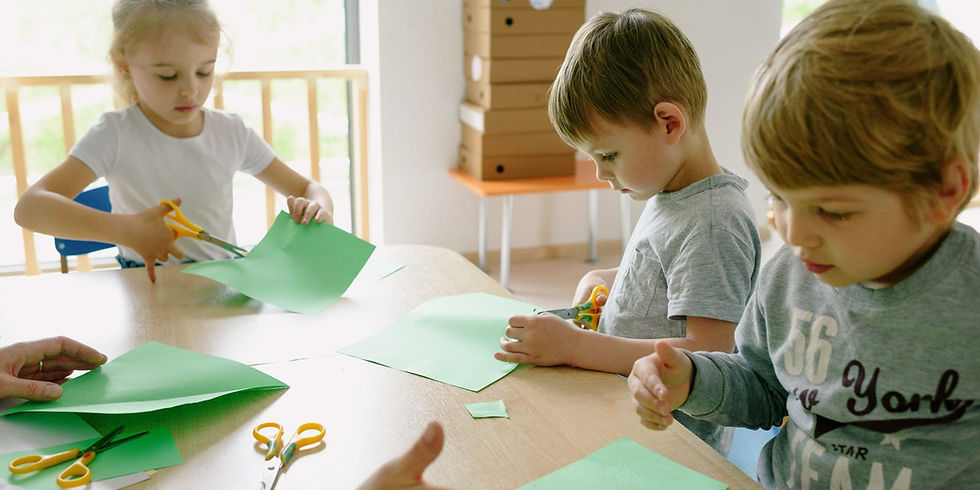
Indoor Projects
Indoor architecture activities for kids combine creativity, problem-solving, and hands-on learning. They are perfect for rainy days or classrooms and require simple materials. Here are some engaging projects to try:
1. Cardboard Castles
Materials: Cardboard boxes, scissors, tape, and markers.
Steps:
Cut boxes into walls and towers.
Assemble pieces with tape.
Decorate with markers or paper.
Learning Outcome: Children learn about structure stability, spatial planning, and design aesthetics.
2. LEGO Bridges
Materials: LEGO bricks or similar building blocks.
Steps:
Plan the bridge design on paper.
Build the base using wider bricks for stability.
Add layers carefully, testing strength as you go.
Learning Outcome: Kids understand balance, weight distribution, and engineering basics.
3. Paper Models
Materials: Paper, glue, scissors, rulers.
Steps:
Fold and cut paper into simple shapes.
Assemble pieces to create houses or towers.
Decorate with colours or stickers.
Learning Outcome: Enhances fine motor skills, spatial awareness, and creative problem-solving.
4. Mini Furniture Projects
Materials: Popsicle sticks, glue, and small boxes.
Steps:
Sketch small furniture designs.
Assemble using glue and sticks.
Paint or decorate as desired.
Learning Outcome: Introduces children to scale, proportion, and design thinking.
Indoor creative building projects for children encourage patience, experimentation, and teamwork. Photos or simple diagrams can guide parents and teachers for easier execution.
Outdoor Projects
Outdoor architecture activities for kids combine play, learning, and exploration. These projects are ideal for gardens, backyards, or school playgrounds. Safety and supervision are important for all outdoor activities.
1. Sandcastles
Materials: Sand, buckets, shovels, water.
Steps:
Plan the castle layout.
Mould sand using buckets and hands.
Carve towers and walls carefully.
Learning Outcome: Kids learn about shape stability, teamwork, and creative design.
2. Mini Playground Designs
Materials: Small wooden pieces, ropes, chalk, and markers.
Steps:
Draw playground plans on the ground with chalk.
Build small-scale equipment or structures.
Test for stability and usability.
Learning Outcome: Introduces basic engineering, scale, and planning concepts.
3. DIY Birdhouses
Materials: Wood pieces, nails, glue, and paint.
Steps:
Cut wood to size for walls and roof.
Assemble pieces carefully with supervision.
Paint and decorate safely.
Learning Outcome: Teaches measurement, construction, and environmental awareness.
4. Nature-Inspired Structures
Materials: Twigs, leaves, stones, and clay.
Steps:
Collect materials safely.
Design small huts, bridges, or sculptures.
Combine materials creatively for stability and decoration.
Learning Outcome: Encourages problem-solving, material experimentation, and imagination.
Outdoor garden building projects for children are perfect for group activities and creative extensions. Kids can decorate, experiment with textures, and collaborate to enhance learning experiences.
These step-by-step indoor and outdoor projects prepare children for understanding materials, design, and architecture concepts, leading naturally into the tools and materials they will need.
Tools and Materials for Architectural Projects
Successful architectural projects for kids rely on having the right tools and materials. Age-appropriate, safe, and versatile supplies let children explore design without frustration or risk. Choosing the right items encourages experimentation, creativity, and confidence in building projects.
Materials for kids’ architecture projects can be grouped into four main types:
Reusable materials: LEGO bricks, magnetic tiles, and wooden blocks. These allow repeated experimentation without generating waste.
Recyclable materials: Cardboard, paper rolls, and plastic containers. They are inexpensive, eco-friendly, and perfect for hands-on activities.
Craft supplies: Glue, scissors, markers, clay, and popsicle sticks. These enhance fine motor skills while letting children personalise designs.
Digital apps: Simple design apps and 3D modelling software introduce modern architectural tools in a safe, interactive way.
When selecting building tools, safety should always come first. Rounded scissors, non-toxic glue, and lightweight hammers are ideal for younger children. For older kids, age-appropriate rulers, measuring tapes, and craft knives with supervision encourage precision and responsibility.
Budget-friendly strategies help maintain project quality without overspending:
Use household recyclables before buying new materials.
Invest in multi-use kits, like LEGO Education packs.
Check local thrift stores or craft shops for affordable craft supplies.
Material Type Cost Skill Level
Material Type | Cost | Skill Level |
LEGO Bricks | Medium | Beginner–Intermediate |
Cardboard/Paper | Low | Beginner |
Clay/Modeling Tools | Medium | Beginner–Advanced |
Digital Apps | Low–Medium | Intermediate |
Challenges and Tips for Successful Projects
Challenges in kids' architecture projects often arise due to attention span, safety concerns, or limited materials. Recognising these obstacles early helps parents and educators guide children effectively.
One common challenge is a short attention span. Children may lose interest before completing projects. To counter this, break activities into smaller, manageable steps. For instance, building a tower in stages keeps them engaged and motivated.
Safety concerns also require attention. Supervise cutting, glueing, and using tools. Encourage children to wear protective gear, like gloves or goggles, for messy or sharp materials.
Material limitations can reduce creativity. Encourage experimentation with recyclables and multi-purpose tools. For example, a paper roll can become a tunnel, tower, or bridge, expanding design possibilities.
Motivation is crucial for successful learning. Celebrate small achievements, display completed projects, and allow children to choose design elements. Positive reinforcement nurtures curiosity and persistence.
By planning ahead, providing proper supervision, and using versatile materials, parents and teachers can overcome common obstacles and make kids' building activities rewarding and enjoyable.
Next, we will explore emerging trends in architectural learning for children and how they are shaping creative education.
Trends in Architectural Learning for Kids
Architecture trends for kids are evolving rapidly, blending traditional hands-on learning with modern technology. Today, children engage in projects that combine creativity, design, and problem-solving in exciting ways.
One major trend is the use of digital design tools. Apps like Tinkercad and SketchUp allow children to create 3D models, visualise structures, and experiment safely before building physically. These tools enhance understanding of scale, symmetry, and spatial relationships.
Another trend is coding-based building. Kits such as LEGO Education Spike Prime or programmable robots let kids combine programming with architecture. They can design structures that move, light up, or interact, introducing both engineering and technology skills.
STEAM integration is also gaining popularity. Modern educational architecture projects combine science, technology, engineering, arts, and math. For example, children may calculate balance points while designing paper towers or use artistic skills to decorate functional models.
These architectural trends for kids make learning interactive, engaging, and highly adaptable to different skill levels. Understanding these trends helps parents and educators provide projects that are both fun and educational.
Next, we will explore the future scope of architectural projects for children and their long-term benefits.
Future Scope of Architectural Projects for Kids
The future of architecture for children is full of exciting possibilities. Early exposure to educational building projects can spark lifelong interest in design, engineering, and creative problem-solving. Children who explore architecture at a young age often develop skills that influence career choices in STEM and creative industries.
Emerging technologies like AI and 3D printing are transforming how children engage with architectural projects. For example, kids can design 3D models and bring them to life with printers, or use AI-based apps to test structural stability and simulate real-world scenarios. These tools make learning interactive, practical, and highly engaging.
Sustainability is also shaping the future of educational building projects. Teaching children to use recycled materials, explore energy-efficient designs, or create eco-friendly structures encourages environmental awareness from an early age. Studies show that children involved in hands-on STEM and design projects are 40% more likely to pursue careers in engineering or architecture.
By integrating technology, creativity, and sustainability, architectural projects for kids can provide skills and inspiration that extend far beyond the classroom. Next, we’ll summarise key takeaways and actionable steps for parents and educators.
FAQs About Architectural Projects for Kids
1. What age is suitable for architectural projects for kids?
Most projects are suitable for children aged 4 and above. Younger children can engage in simple stacking or building activities, while older kids can handle cutting, measuring, and digital design tasks. Start with easy projects and gradually increase complexity.
2. Are these projects safe for younger children?
Yes, with proper supervision and age-appropriate tools. Use rounded scissors, non-toxic glue, and lightweight building materials. Always monitor children when using tools or small parts.
3. How can I make these projects educational as well as fun?
Combine building with problem-solving exercises. For example, challenge kids to make the tallest stable tower or design a bridge that holds weight. Discuss shapes, balance, and materials to enhance learning.
4. Can kids learn digital architecture at home?
Absolutely. Simple apps like Tinkercad, Minecraft Education Edition, or SketchUp provide safe ways for children to create and test virtual designs. These tools introduce basic engineering and design concepts.
5. What are inexpensive ways to start building projects with children?
Use household recyclables such as cardboard boxes, paper rolls, and plastic containers. Affordable craft supplies and multi-use kits like LEGO Education packs can also provide hours of creative learning.
Conclusion
Engaging children in architectural projects nurtures creativity, critical thinking, and teamwork. These activities provide hands-on learning that blends fun with valuable skills. By experimenting with materials, children explore shapes, balance, and design principles while building confidence in problem-solving.
Parents, educators, and caregivers can adapt projects to suit each child’s interests and skill level. Simple indoor projects, outdoor activities, and even digital design tools offer endless opportunities for learning and imagination. Encouraging children to plan, build, and test their designs strengthens both practical and cognitive abilities.
Start a project today and watch your child’s imagination take shape—share your creations with us or explore more creative ideas on our website!


Comments