Why Coding Is Important for Kids in India After NEP 2020


India’s education system is changing rapidly with the introduction of the National Education Policy (NEP) 2020. For the first time, schools are focusing strongly on skills, not just marks. As a result, coding and computational thinking are entering classrooms much earlier than before. Naturally, this shift raises an important question: why coding is important for kids in India today?
Coding is no longer limited to future software engineers. Instead, it helps children think logically, solve problems, and build creativity. For example, when a child fixes an error in a simple program, they practice structured thinking. At the same time, they learn patience and resilience. Therefore, coding builds life skills, not just technical skills.
Moreover, India’s digital economy is expanding quickly. Startups, fintech companies, and AI-driven platforms are growing every year. Consequently, children who understand technology gain a clear advantage. In fact, experts now consider coding a foundational literacy, much like math or language.
So, why coding is important for kids in India goes beyond careers. It prepares them for a technology-driven future, aligns with NEP reforms, and supports long-term success.
Let’s now explore how NEP 2020 is reshaping coding education in Indian schools.
Understanding NEP 2020 and the Shift Toward Skill-Based Education

The National Education Policy 2020 marks one of the biggest education reforms in India. Unlike previous frameworks, it focuses on skill-based learning rather than rote memorization. As a result, students now learn through practical application, projects, and real-world exposure.
Earlier, classrooms emphasized textbook theory and exam scores. However, NEP 2020 encourages experiential learning and critical thinking. Schools now promote inquiry-based discussions, problem-solving tasks, and interdisciplinary subjects. Therefore, learning becomes more meaningful and engaging.
One major highlight of NEP 2020 coding is the introduction of coding from Grade 6. Students do not just memorize syntax. Instead, they learn computational thinking, logical reasoning, and algorithmic problem-solving. This shift supports long-term cognitive development.
Moreover, the policy integrates vocational skills at an early stage. Children can explore areas like robotics, AI basics, and digital tools. Consequently, they gain exposure to practical career paths much earlier than before.
All these reforms answer a growing concern: why coding is important for kids in India in a fast-changing economy.
Why NEP 2020 Introduced Coding Early
India’s digital economy is expanding rapidly. According to industry estimates, it could reach $1 trillion by 2030. At the same time, the tech sector employs millions and continues to grow.
Because of this expansion, demand for skilled professionals is rising. Reports suggest India may need over 1 million digital professionals in emerging technologies in the coming years. Therefore, early coding education improves employability and future readiness.
In addition, global economies already teach coding at primary levels. To stay competitive, education reform India needed similar modernization. Early exposure builds confidence and reduces fear of technology.
How NEP 2020 Aligns with Future Skills India
NEP 2020 aligns strongly with future skills India initiatives. Automation, AI, cybersecurity, and data science are shaping job markets. Consequently, schools must prepare students for roles that may not even exist yet.
By promoting coding in Indian schools, the policy nurtures innovation and entrepreneurship. Students learn to create apps, build prototypes, and solve local problems with technology. Furthermore, this approach strengthens India’s startup ecosystem.
Clearly, these reforms show why coding is important for kids in India beyond academics.
Next, let’s explore how coding benefits children at a deeper cognitive and personal level.
Why Coding Is Important for Kids in India in Today’s Digital Era
India is experiencing rapid digital transformation. From online payments to telemedicine, technology now shapes daily life. As a result, children grow up in a world powered by software and automation. Naturally, many parents now ask why coding is important for kids in India in this new environment.
Over the last decade, India’s IT sector has expanded significantly. IT exports alone cross hundreds of billions of dollars annually. Moreover, India has become a global hub for startups. Cities like Bengaluru and Hyderabad lead innovation in AI, fintech, and SaaS products.
At the same time, digital adoption has accelerated across rural and urban areas. UPI transactions process billions of payments every month. E-commerce and digital banking continue to rise. Therefore, digital skills India needs are no longer optional. They are essential.
Because of this shift, coding acts like a foundational literacy. Just as children learn math to understand numbers, they learn coding to understand technology. Without this knowledge, they may use digital tools but never fully understand them.
Consider this simple example. A child who learns coding can:
Build a basic website
Create a simple mobile app
Design a small game
Automate repetitive tasks
These small projects build confidence and logical thinking. Consequently, the importance of coding for children extends beyond career planning.
Furthermore, global education systems already prioritize coding. The US and UK introduced coding into primary curriculums years ago. Singapore also focuses heavily on computational thinking. Therefore, India must keep pace to stay globally competitive.
In today’s world, technology drives almost every industry. Healthcare uses AI diagnostics. Agriculture uses data analytics. Finance relies on algorithms. Hence, understanding code helps children understand the systems around them.
This reality clearly explains why coding is important for kids in India today. It prepares them not just to consume technology, but to create it.
Now, let’s explore the deeper cognitive and developmental benefits coding offers children.
Key Benefits of Coding for Children (Beyond Career Goals)
Many parents think coding only prepares children for tech jobs. However, the real value goes far beyond career planning. In fact, the benefits of coding for kids impact thinking, creativity, and confidence from an early age.
When children learn to code, they train their minds to think differently. They break problems into small steps. They test solutions. Then, they improve those solutions. As a result, coding skills for children strengthen both academic and life abilities.
Let’s explore these benefits in detail.
Improves Logical Thinking and Problem Solving
Coding teaches children structured thinking. Every program follows a clear sequence of instructions. Therefore, kids learn to think step by step.
Debugging plays a powerful role here. When a program fails, children must identify the mistake. Instead of guessing, they analyze the issue logically. This process directly improves problem solving skills India urgently needs in the modern workforce.
For example, in one classroom activity, students built a simple maze game. When the character stopped moving, they traced each command carefully. Eventually, they found a missing instruction. That small fix taught them patience and analytical thinking.
Enhances Creativity and Innovation
Contrary to popular belief, coding fuels creativity. Children do not just write code. They design games, apps, animations, and websites.
For instance, a group of Grade 7 students created a water-saving awareness app. They designed the interface and added quiz features. As a result, they combined logic with imagination.
Moreover, coding allows children to turn ideas into digital products. Instead of only consuming content, they create it. Therefore, the importance of coding for children extends into innovation and entrepreneurship.
Builds Confidence and Growth Mindset
Coding encourages trial and error. Programs rarely work perfectly on the first attempt. However, children quickly learn that mistakes are part of the process.
When they fix errors successfully, confidence grows naturally. They start viewing challenges as solvable puzzles. Consequently, they develop a growth mindset.
In many schools, teachers report that shy students participate more during coding sessions. Success in small projects builds self-belief.
Strengthens Math and Analytical Skills
Coding and mathematics share strong connections. Algorithms rely on patterns, sequences, and logical rules. Therefore, students often improve their math performance alongside coding practice.
For example, loops in programming resemble repeated addition or multiplication. Condition statements reflect logical reasoning used in algebra. As a result, coding supports analytical development across subjects.
These combined benefits clearly show why coding is important for kids in India beyond job preparation.
Next, let’s examine how coding in Indian schools is currently implemented and evolving.
Coding in Indian Schools – Current Landscape and Implementation

Coding in Indian schools is no longer limited to a few elite institutions. Over the last few years, adoption has expanded steadily. As NEP 2020 promotes skill-based education, schools across states are updating their curriculum. Consequently, the coding curriculum India follows is becoming more structured and practical.
However, implementation varies between regions. Urban schools often move faster due to better infrastructure. Meanwhile, rural schools are gradually catching up through government coding programs and digital initiatives.
Government Initiatives and State Programs
The government has launched several programs to support coding education. For example, Atal Tinkering Labs encourage innovation through robotics and STEM activities. Students build prototypes, experiment with sensors, and solve real problems.
In addition, many states have introduced coding modules from middle school. Some government schools now include basic programming lessons within digital literacy subjects. As a result, coding in Indian schools is reaching beyond private institutions.
Digital classrooms and smart labs further support this shift. With improved internet access, students can access coding platforms and guided lessons more easily.
Private Schools and EdTech Platforms
Private schools adopted coding earlier in many cities. They often integrate structured coding periods into weekly schedules. Moreover, they partner with coding academies and online platforms for project-based learning.
For instance, several CBSE and ICSE schools now conduct coding competitions and hackathons. These activities motivate students and encourage innovation.
EdTech platforms also play a major role. Online coding classes allow students to learn beyond textbooks. Therefore, access to quality learning is expanding across India.
Teacher Training and Infrastructure Challenges
Despite progress, challenges remain. Many schools lack trained teachers for advanced coding topics. Therefore, regular teacher training becomes essential.
Infrastructure also affects implementation. Reliable devices and internet access are not universal yet. However, investment continues to grow steadily.
Overall, the landscape shows clear momentum. Coding curriculum India is evolving step by step.
Next, let’s explore the tools and platforms that help children learn coding effectively.
Tools and Platforms Helping Kids Learn Coding in India
Today, children have access to many beginner-friendly coding tools. As a result, learning no longer feels complex or intimidating. Instead, students start with interactive platforms designed for young minds. These coding platforms for kids India support structured and enjoyable learning.
Schools and parents can choose tools based on age and skill level. Moreover, most platforms offer guided lessons and project-based practice. Therefore, children build coding skills step by step.
Block-Based Coding Platforms
Block-based tools work best for beginners. These platforms use drag-and-drop blocks instead of typed code. Consequently, children focus on logic rather than syntax errors.
Scratch programming India has become especially popular in schools. Students create animations, games, and stories by arranging colorful blocks. For example, a child can design a quiz game in under an hour. That quick success builds motivation.
Other beginner coding tools follow a similar visual format. They help students understand loops, conditions, and sequences clearly. As a result, young learners grasp computational thinking faster.
Text-Based Languages for Older Kids
As students grow older, they transition to text-based languages. Python often becomes the first choice. It uses simple syntax and reads almost like English.
JavaScript basics also attract students interested in web development. With guidance, teenagers can build basic websites and small applications. Therefore, coding feels practical and relevant.
Many Indian schools now introduce Python in middle grades. This gradual progression supports deeper understanding over time.
Robotics and AI-Based Learning
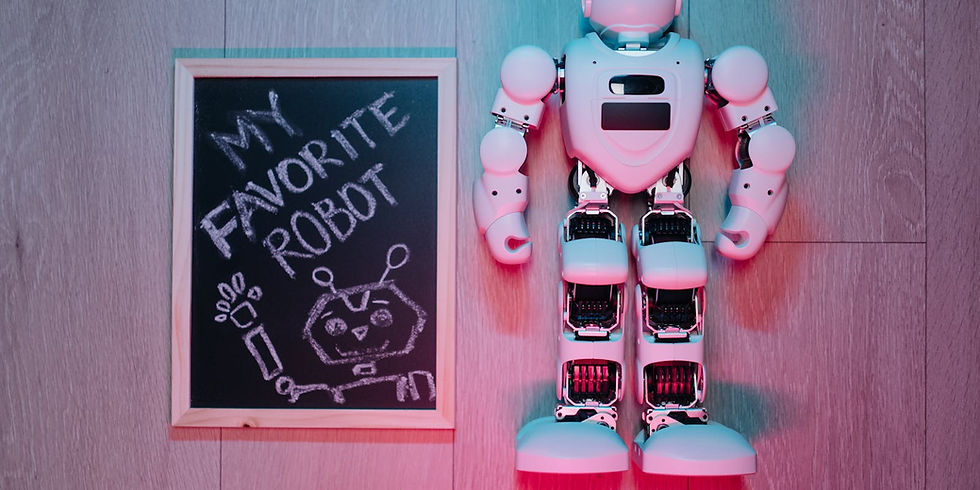
Coding becomes even more exciting when combined with robotics. Students program small robots to move, sense, and respond. Consequently, abstract code turns into real-world action.
AI-based kits also introduce children to machine learning concepts. For instance, they can build simple face recognition projects. This integration strengthens STEM education significantly.
To improve clarity, schools can add comparison tables or tool screenshots. Visual aids help parents choose suitable platforms.
With the right tools, children learn confidently and creatively.
Next, let’s explore how kids apply these skills in real-world projects and competitions.
Real-World Applications – How Kids Use Coding Skills
Children across India now apply coding beyond classroom exercises. As schools promote hands-on learning, students build real projects that solve practical problems. Therefore, the practical uses of coding for kids are becoming visible at an early age.
App development is one common example. Many middle school students design simple mobile apps using beginner tools. For instance, a group of students in Delhi created an app that reminds users to save water. Although simple, the project solved a real issue in their community.
Robotics competitions also encourage innovation. Students program robots to complete tasks like line-following or obstacle detection. Consequently, they combine coding with engineering skills. These coding projects India showcase teamwork and creativity.
Hackathons further expand learning opportunities. During these events, students:
Build prototypes within limited time
Present solutions to judges
Collaborate with peers
Improve communication skills
Moreover, school innovation challenges push students to think critically. Some schools host annual tech fairs where children demonstrate websites, games, and automation projects.
In rare but inspiring cases, students even launch small startups. Teenagers have built basic e-commerce platforms or educational apps for younger children. While these ventures start small, they build entrepreneurial confidence early.
These examples clearly show why coding is important for kids in India in practical terms. Skills learned in class translate into action and impact.
Next, let’s examine the challenges schools face while implementing coding education nationwide.
Challenges in Implementing NEP 2020 Coding in India
While progress is visible, several hurdles remain. The challenges of coding education India faces cannot be ignored. Although policies support early coding, ground-level execution varies widely.
First, the digital divide India experiences creates inequality. Urban schools often have smart boards and stable internet. However, many rural schools still struggle with basic connectivity. According to national surveys, internet penetration remains significantly lower in rural regions. Therefore, equal access to coding education becomes difficult.
Another major issue is the shortage of trained teachers. Coding requires both technical knowledge and teaching skill. Unfortunately, many educators have not received formal training in programming. As a result, schools must invest in regular upskilling programs.
Infrastructure limitations further slow implementation. Some schools lack computer labs or updated devices. Without proper hardware, practical learning becomes restricted. Consequently, students may only learn theory instead of hands-on coding.
Parents also raise concerns about screen time. Excessive device usage worries many families. However, structured coding sessions differ from passive entertainment. Still, schools must balance digital exposure carefully.
In addition, awareness gaps exist among parents. Many still view coding as optional or career-specific. They may not fully understand why coding is important for kids in India beyond technology jobs.
Key challenges include:
Unequal internet access
Limited teacher training
Insufficient digital infrastructure
Screen time management
Low parental awareness
Despite these obstacles, steady improvements continue nationwide.
Next, let’s explore the future scope of coding and emerging career opportunities in India.
Future Scope – Coding and Career Opportunities in India
India’s technology sector continues to expand at a rapid pace. As digital adoption grows, demand for skilled professionals also rises. Therefore, understanding future skills India requires becomes essential from a young age.
Industry reports estimate that millions of new tech jobs India will emerge in the coming decade. AI, automation, and data-driven industries lead this expansion. Consequently, early coding education prepares students for long-term career stability.
This growing demand strongly explains why coding is important for kids in India today. The foundation built in school often shapes future opportunities.
Emerging Careers
Several new-age careers now dominate the job market. These roles require strong programming and analytical skills.
Some high-growth areas include:
Artificial Intelligence and Machine Learning
Data Science and Big Data Analytics
Cybersecurity and Ethical Hacking
Robotics and Automation
Cloud Computing
For example, AI engineers design intelligent systems used in healthcare and finance. Meanwhile, cybersecurity experts protect digital systems from threats. As businesses digitize further, these roles will expand rapidly.
Entrepreneurship and Startup Culture
India has become one of the world’s largest startup ecosystems. Young entrepreneurs build apps, SaaS products, and fintech platforms every year. Therefore, coding careers India offer not only employment but also business opportunities.
Many founders start coding during school or college. Early exposure builds confidence to experiment and innovate. As a result, coding becomes a tool for value creation, not just a job skill.
Global Remote Opportunities
Remote work has changed career possibilities completely. Today, skilled programmers in India work for global companies without relocating. Consequently, geographic boundaries matter less than expertise.
International demand for tech talent remains strong. Companies worldwide seek developers, analysts, and engineers. Hence, mastering coding opens global doors.
These trends clearly highlight why coding is important for kids in India in the long run.
Next, let’s discuss how parents and schools can actively support coding education.
How Parents and Schools Can Support Coding Education
Parents and schools play a crucial role in making coding meaningful. Although policies promote digital learning, daily encouragement makes the real difference. Therefore, understanding how to start coding for kids India becomes important for families and educators alike.
First, choose the right platform based on age. Younger children benefit from block-based tools. Older students can move to Python or basic web development. However, avoid overwhelming beginners with complex syntax too early.
Next, focus on project-based learning. Instead of memorizing commands, children should build small projects. For example, they can create a quiz game or a simple website. As a result, learning becomes practical and enjoyable.
Screen time often worries parents. However, structured coding differs from passive scrolling. Still, balance remains essential. Set clear schedules and encourage offline creativity too.
Most importantly, build curiosity rather than pressure. Coding should feel like exploration, not competition. When children enjoy the process, they naturally improve.
Here’s a simple parents guide to coding checklist:
Choose age-appropriate beginner coding tools
Encourage weekly mini-projects
Set healthy screen time limits
Celebrate small achievements
Allow experimentation without fear of mistakes
When families and schools collaborate, children thrive.
Now, let’s clear some common myths about coding for kids in India.
Myths vs Facts About Coding for Kids in India
Many parents still believe common coding myths India often circulates. However, most of these assumptions do not reflect reality. Therefore, it is important to separate facts from fear.
Myth 1: Coding is only for engineers. In reality, coding builds problem-solving and logical thinking. Designers, entrepreneurs, and even artists use coding today. So, it supports multiple career paths.
Myth 2: Coding reduces creativity. On the contrary, children create games, animations, and apps through code. For example, students often design storytelling projects using simple tools. Thus, coding actually enhances imagination.
Myth 3: Kids must be math geniuses. While coding connects with logic, it does not require advanced math. Basic reasoning skills are enough at early stages. Over time, practice strengthens analytical ability naturally.
Myth 4: It’s too early to start. Block-based platforms make learning simple and visual. Consequently, young learners understand logic without pressure.
So, is coding difficult for kids? Not when taught the right way.
With myths cleared, let’s move toward a final summary of why coding truly matters today.
Conclusion
India stands at a powerful turning point in education. With NEP 2020 encouraging skill-based learning, schools now prioritize practical knowledge. Therefore, understanding why coding is important for kids in India becomes more relevant than ever.
Coding strengthens logical thinking and creativity. At the same time, it improves problem-solving and analytical ability. Moreover, it prepares children for emerging careers in AI, robotics, and digital innovation. As industries evolve rapidly, early exposure builds confidence and adaptability.
Beyond jobs, coding nurtures innovation and entrepreneurship. It empowers children to create solutions instead of only consuming technology. Consequently, they become future-ready and globally competitive.
Parents and educators must act proactively. Choose age-appropriate tools, encourage projects, and support balanced learning. When introduced responsibly, coding builds both skills and character.
The future belongs to creators, not just users. Now is the time to embrace coding education and prepare the next generation for India’s digital future.
FAQs (People Also Ask Section)
1. What is the right age to start coding for kids in India?
Most experts suggest starting around age 6 or 7. At this stage, children can use block-based tools comfortably. These platforms teach logic without complex syntax.
Under NEP 2020, formal exposure begins from Grade 6 in many schools. However, younger children can explore simple coding games earlier. Therefore, early exposure builds familiarity and confidence gradually.
2. Is coding compulsory under NEP 2020?
Coding is not strictly mandatory across all grades. Instead, NEP 2020 promotes structured integration of computational thinking. Schools introduce it as part of skill-based learning.
Some institutions make it a core subject, while others offer it as an elective. Therefore, implementation may vary. Still, the policy strongly encourages coding in Indian schools to prepare students for future skills India requires.
3. Does coding help in board exams or competitive exams?
Coding may not directly appear in board exams. However, it strengthens logical reasoning and analytical thinking. These skills help in mathematics, science, and entrance tests.
For example, debugging improves structured problem-solving. Consequently, students approach exam questions more methodically. This benefit explains why coding is important for kids in India beyond career preparation.
4. Which programming language should Indian kids learn first?
Beginners should start with Scratch or other block-based tools. These platforms focus on concepts rather than syntax.
Once students feel comfortable, they can move to Python. Python uses simple, readable commands. Therefore, it works well as a first text-based language.
5. Can coding improve problem-solving skills in children?
Yes, coding significantly improves problem-solving skills. When a program fails, children analyze errors step by step. Then, they test different solutions logically.
For instance, if a game character does not move correctly, students review each instruction. This structured approach builds strong reasoning skills.


Comments