How Hands On Learning for Indian Kids Through Simple Model Making Builds Strong Thinking Skills

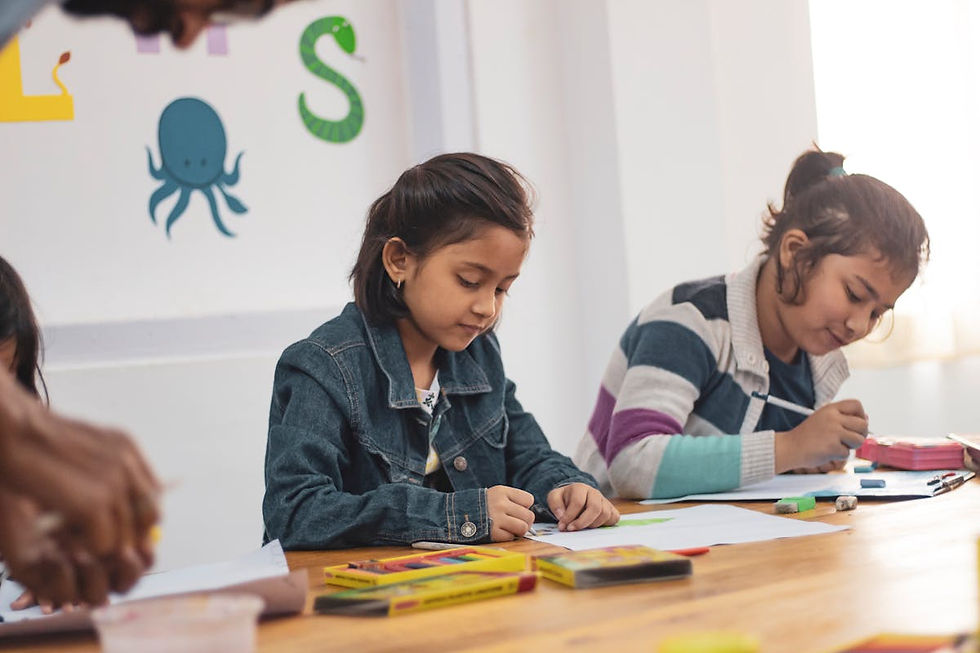
Children today grow up surrounded by screens. As a result, passive learning often replaces real exploration. They watch more and build less. However, something remarkable happens when a child creates a simple paper bridge or a solar system model. Their curiosity wakes up. They start asking questions. They test ideas. They solve real problems.
That is the real power of hands on learning for Indian kids.
When children use their hands, they activate multiple senses at once. Consequently, their brains form stronger connections. For example, building a small windmill teaches motion, balance, and energy in one activity. Instead of memorising definitions, they understand concepts deeply. This is why educators now encourage hands on learning for Indian kids across subjects.
In this guide, you will discover how simple model making supports thinking skills development in children. You will also learn why it matters in India’s changing education system. Moreover, you will find practical ideas for parents and teachers. Step by step, we will explore how hands on learning for Indian kids builds confident thinkers, not just exam scorers.
What Is Hands On Learning and Why It Matters in India
Hands-on learning means learning by doing. Instead of only reading or listening, children actively build, test, and explore ideas. As a result, they understand concepts more clearly. In simple terms, it turns theory into experience.
In traditional classrooms, students often memorised information. However, memorising facts does not always build understanding. This is where hands on learning for Indian kids makes a difference. It encourages curiosity, questions, and problem-solving. Moreover, it supports experiential learning India is now moving toward.
Passive Learning vs Active Learning
Let’s look at the difference clearly:
Passive Learning | Active Learning |
Listening to lectures | Building and experimenting |
Memorising answers | Solving real problems |
Teacher-centred | Student-centred |
Short-term recall | Deep understanding |
For example, a child can memorise the water cycle diagram. However, if the same child builds a simple water cycle model, learning becomes real. They see evaporation. They understand condensation. Consequently, the concept stays longer in memory.
Historically, Indian education focused on exams. Therefore, rote learning became common. According to national surveys, many students struggle with concept clarity despite high syllabus coverage. In fact, ASER reports often highlight gaps in applied understanding. This shows the need for change.
Thankfully, the National Education Policy (NEP) 2020 promotes experiential learning India-wide. It encourages project-based activities and active learning methods. Schools are now slowly adopting model-making and practical tasks.
Because of this shift, hands on learning for Indian kids is becoming more important than ever. And this foundation leads us to understand how it shapes thinking skills at a deeper level.
The Science Behind Model Making and Brain Development

When children build models, their brains work differently. Instead of passively receiving information, they actively process it. As a result, learning becomes deeper and more meaningful. This is why cognitive development activities play such a powerful role in early education.
How the Brain Learns Through Doing
The brain strengthens neural connections through action. When children touch, see, and manipulate materials, they engage multiple senses at once. Consequently, multisensory engagement boosts memory and understanding.
Research in child psychology shows that active tasks improve long-term retention. In fact, brain development through play activates areas linked to reasoning and coordination. When a child cuts cardboard or joins sticks, motor skills improve. At the same time, the brain plans, predicts, and adjusts actions.
For example, building a bridge model improves spatial reasoning. The child must balance weight and structure carefully. Therefore, both physical coordination and logical thinking develop together. This combination supports strong thinking skills development in children.
Critical Thinking and Problem-Solving Skills
Model making naturally teaches cause and effect. If the structure tilts, the child quickly sees why. Then, they adjust the design. This trial-and-error process strengthens problem-solving abilities.
Moreover, decision-making becomes active. Children ask:
Which material is stronger?
How can I make it stable?
What should I change?
Each small choice trains the brain. Over time, thinking skills development in children becomes sharper and more flexible. Mistakes also help. Instead of fearing failure, children learn to improve their ideas. In fact, small failures build resilience and logical thinking.
Creativity and Innovation Development
Model building encourages divergent thinking. There is rarely one “correct” answer. Instead, children explore multiple possibilities. Open-ended problem solving supports innovation.
For instance, two children may build completely different bridge designs. Both may work well. This freedom builds confidence and imagination. Through brain development through play, creativity grows naturally.
Understanding this science explains why model making shapes not just knowledge, but powerful thinking habits for life.
Model Making Benefits Kids Beyond Academics
Model making does more than improve grades. In fact, many model making benefits kids emotionally and socially. While children build projects, they also build character. As a result, growth happens far beyond textbooks.
Confidence and Independence
Completing a project gives children a strong sense of achievement. When they see a finished model, they feel proud. Consequently, self-belief grows naturally.
For example, a Class 5 student once struggled with science concepts. However, after building a working volcano model, her confidence improved. She presented it proudly to her class. That single experience changed how she viewed herself.
Similarly, when a child completes a model at home without constant help, independence increases. Over time, children trust their own ideas. These small wins contribute significantly to emotional growth activities.
Teamwork and Communication
Group projects teach valuable social skills through projects. In many classrooms, students build models in teams. Therefore, they must divide tasks and share responsibilities.
During one school exhibition, a group built a rainwater harvesting model. One child handled design. Another explained the concept. As a result, collaboration improved. They learned to listen and compromise.
Presenting models also improves communication skills. Children explain their work clearly. Moreover, they answer questions confidently. These experiences prepare them for real-world situations.
Patience and Resilience
Projects rarely succeed on the first try. Sometimes glue fails. Structures collapse. Circuits stop working. However, this is where resilience develops.
In one parent-child project, a father and son built a bridge model together. The first design broke under weight. Instead of quitting, they redesigned it. Eventually, the model held firm. That moment taught persistence more than any lecture could.
Because of such experiences, model making benefits kids by teaching patience and positive failure handling. And these traits become essential for lifelong success.
Now, let’s explore the types of simple models that strengthen thinking skills even further.
Types of Simple Models That Strengthen Thinking Skills
Not every powerful learning tool needs to be expensive. In fact, many simple science models for kids use basic household materials. Cardboard, glue, paper cups, wires, and clay often work perfectly. Therefore, parents and teachers can easily support DIY learning projects India without high costs.
Let’s explore practical model types that truly boost thinking skills.
Science-Based Models
Science models help children understand natural processes clearly. For example:
Solar system model using thermocol balls and paint
Water cycle model with plastic wrap and sunlight
Volcano eruption using baking soda and vinegar
Simple electric circuits with batteries and small bulbs
These activities turn abstract ideas into visible processes. As a result, children remember concepts longer. Moreover, building circuits strengthens logical thinking. Many of these simple science models for kids cost very little but deliver strong learning impact.
Environmental & Sustainability Models
Environmental themes connect learning to real life. For instance, a rainwater harvesting model teaches conservation practically. Similarly, a smart city model introduces planning and infrastructure basics.
A waste segregation project using labelled boxes helps children understand recycling. Consequently, creative learning India becomes both practical and socially responsible. These DIY learning projects India encourage awareness alongside problem-solving.
Most materials remain affordable:
Shoe boxes
Plastic bottles
Old newspapers
Ice-cream sticks
Engineering & Structural Models
Engineering models sharpen structural reasoning. A bridge design made from sticks teaches balance and weight distribution. Likewise, pulley systems demonstrate mechanical advantage clearly.
Building a small windmill model explains energy conversion in action. Therefore, children connect science with real-world applications. Through creative learning India, they start thinking like young engineers.
Math & Logical Thinking Models
Math becomes easier when children see it physically. For example, fractions can be taught using paper circles divided into parts. In addition, 3D geometry models built from straws improve spatial understanding.
Because children handle shapes directly, abstract math feels simpler. These simple science models for kids make numbers less intimidating and more engaging.
With so many affordable options available, starting model-based learning becomes easier than most parents imagine.
How Parents Can Encourage Hands On Learning at Home
Parents play a powerful role in shaping curiosity. Fortunately, you do not need expensive kits to start. With simple planning, hands on learning for Indian kids at home becomes easy and practical. Moreover, small changes can create big learning impact.
Creating a Mini Learning Space
First, set up a small learning corner. A simple table and chair work perfectly. Keep basic supplies within reach. For example:
Cardboard pieces
Glue and tape
Scissors
Old newspapers
Ice-cream sticks
You can store materials in a small box. Even in rural homes, this setup is possible. Urban families may have more access to stores. However, creativity matters more than cost. DIY education India thrives on simple resources.
Encourage children to use household waste material. Plastic bottles can become windmills. Shoe boxes can turn into smart city models. As a result, children learn sustainability along with creativity.
Letting Children Make Mistakes
Many parents try to correct every small error. However, constant correction reduces confidence. Instead, allow children to experiment freely. Learning by doing kids involves trial and error.
If a model collapses, ask guiding questions. For example, “What can we change?” This approach builds problem-solving skills. Consequently, children develop independence and resilience.
Weekly Model-Building Routine
Consistency matters. Therefore, fix one project per week. It can be small and simple. For instance, build a paper bridge one week. Next week, try a rainwater harvesting model.
Set aside one hour during weekends. Keep it relaxed and fun. Over time, this habit strengthens curiosity. More importantly, hands on learning for Indian kids at home becomes a natural part of family life.
With the right environment and mindset, learning by doing kids can flourish in any Indian household. Now, let’s see how schools are adopting similar creative approaches.
How Schools in India Are Adopting Creative Learning
Schools across the country are slowly moving beyond rote methods. As a result, creative learning India is gaining momentum. Many institutions now focus on building skills, not just exam scores. This shift supports deeper understanding and practical thinking.
One major step came through government initiatives like Atal Tinkering Labs (ATL). These labs encourage innovation and experimentation. Students get access to basic robotics kits, sensors, and 3D printers. Consequently, experiential classrooms India are becoming more common, even in semi-urban areas.
STEM-based classrooms also play a big role. Instead of teaching science and math separately, teachers integrate them. For example, students may build a small robot to understand coding and mechanics together. Therefore, learning feels connected and meaningful.
Project-based learning has also expanded. In this method, students solve real-world problems. They might design a water conservation system or create a working circuit. Because of this approach, school innovation programs now focus on application rather than memorisation.
Private schools, in particular, have adopted makerspaces. These are creative zones filled with tools and materials. Students build prototypes, test ideas, and improve designs. Moreover, many schools organise science fairs and innovation competitions. Such events boost confidence and teamwork.
Another growing trend involves robotics and AI learning. Children now explore basic programming at an early age. As technology advances, experiential classrooms India continue to evolve. Even smaller schools are trying affordable DIY kits.
Challenges in Implementing Hands On Learning in India

Although schools are evolving, several obstacles still exist. In fact, the challenges of experiential learning India faces are both practical and cultural. Therefore, progress often happens slowly.
One major issue is large classroom sizes. Many government schools have 40 to 60 students per class. As a result, teachers struggle to manage individual projects. Hands-on activities require supervision and guidance. However, one teacher cannot easily support every child at once.
Budget limitations create another barrier. Not all schools can afford advanced labs or equipment. This remains one of the biggest education barriers India continues to face. Consequently, many institutions rely heavily on textbooks.
Exam-focused culture also plays a role. Parents and schools often prioritise marks over skills. Therefore, teachers feel pressure to complete the syllabus quickly. Practical learning sometimes gets less time.
Teacher training gaps add to the challenge. Some educators lack experience in project-based methods. Without proper support, they may hesitate to adopt new techniques.
However, solutions are possible:
Use low-cost model kits made from cardboard and recycled materials
Conduct group-based projects to manage large classes
Offer teacher upskilling workshops on active learning methods
Integrate small hands-on tasks within regular lessons
Several NGOs and education programs now provide affordable training. Moreover, online courses help teachers learn innovative strategies. Step by step, these efforts reduce education barriers India faces.
Despite these challenges of experiential learning India experiences, the momentum is growing. With the right tools and mindset, implementation becomes practical and scalable. Now, let’s explore the tools and resources that make this process easier.
Tools, Materials & Resources for Model Making
You do not need expensive equipment to start model making. In fact, many effective DIY learning tools are already available at home. With a little creativity, simple materials can turn into powerful learning aids.
Start with basic supplies such as:
Cardboard sheets
Glue and tape
Thermocol balls
Ice-cream sticks
Plastic bottles
Small wires and batteries
Scissors and colours
These items support most school projects. Moreover, they remain budget-friendly for families and schools.
If you prefer ready-made options, several affordable model making kits India offers can help. Many STEM kits for kids include simple robotics parts, circuit boards, and mechanical components. These kits guide children step by step. Therefore, beginners feel more confident while building.
Online platforms also provide helpful support. Many tutorial websites explain projects clearly. In addition, YouTube educational creators demonstrate science experiments and DIY learning tools visually. Watching step-by-step videos often makes complex ideas easier to understand.
However, not every area has strong internet access. In rural regions, teachers can rely on printed guides and school libraries. Community workshops also help share ideas offline. As a result, lack of internet should not stop creativity.
Safety always matters. Younger children should use blunt scissors and child-safe glue. Adults must supervise electrical projects carefully. Encourage children to clean up after each activity.
With the right tools and guidance, model making becomes accessible to nearly every household. Now, let’s look at how this approach shapes the future of learning in India.
The Future of Thinking Skills Development in Indian Children
The world is changing faster than ever. As artificial intelligence grows, routine tasks are becoming automated. Therefore, the future of education India must focus on human skills. Memorising facts is no longer enough. Instead, children need strong problem-solving and creative abilities.
In the AI era, employers value adaptability and critical thinking. Consequently, thinking skills development children gain early will shape their careers. Skills such as analysis, innovation, and collaboration now matter more than textbook recall. Creativity often beats memorisation in the long term because machines can store data, but humans create ideas.
India’s startup ecosystem shows this shift clearly. The country has thousands of active startups across technology and services. Many successful founders built solutions by identifying real problems. Thus, innovation learning India promotes becomes essential for the next generation.
Makerspaces are also expanding in schools and communities. These creative labs encourage experimentation and design thinking. Children build prototypes and test ideas practically. As a result, innovation learning India strengthens at grassroots levels.
Digital tools further enhance this progress. Coding platforms, robotics kits, and simulation apps support hands-on creativity. However, technology should complement physical model building, not replace it. When children combine digital tools with real-world experiments, learning becomes powerful.
To prepare for the future of education India, we must nurture curiosity early. Thinking skills development children practice today will shape tomorrow’s innovators and entrepreneurs. With the right mindset, India can raise creators, not just job seekers.
Step-by-Step Guide: Starting Model-Based Learning Today
Getting started is easier than you think. In fact, you can begin this weekend. If you wonder how to start hands on learning for Indian kids, follow these simple steps.
Step 1: Choose a Simple Topic
First, pick a topic your child already studies. For example, select the water cycle or a simple bridge design. Keep it small and clear. This builds confidence early.
Step 2: Gather Materials
Next, collect basic supplies from home. Cardboard, glue, paper, bottles, and colours work well. You do not need expensive tools. In most cases, household waste materials are enough.
Step 3: Ask Guiding Questions
Before building, ask simple questions. For instance, “How will this stand?” or “What makes this work?” These prompts encourage thinking. As a result, children plan before acting.
Step 4: Let the Child Build
Now step back slightly. Allow your child to experiment. Avoid correcting every mistake. Trial and error strengthen learning. This stage is crucial when learning how to start hands on learning for Indian kids effectively.
Step 5: Reflect and Improve
After finishing, discuss what worked and what failed. Then, suggest small improvements. Reflection deepens understanding. Over time, this habit builds strong thinking skills.
When you follow these steps consistently, you make how to start hands on learning for Indian kids simple and practical for any home.
Conclusion
Hands-on learning for Indian kids goes far beyond completing school projects. Instead, it shapes thinkers, creators, and confident problem-solvers. When children design and build models, they actively engage their minds. As a result, they strengthen logic, creativity, and resilience together.
Moreover, this approach builds real confidence. A child who constructs a working model feels proud. That sense of achievement stays longer than memorised answers. Over time, hands-on learning for Indian kids nurtures independence and curiosity. These qualities matter deeply in today’s fast-changing world.
Innovation now drives careers and industries. Therefore, thinking skills hold more value than rote recall. While textbooks provide knowledge, practical exploration builds understanding. For example, a child who experiments with a bridge model learns balance and structure in action. Consequently, concepts become clear and lasting.
If you are a parent or educator, begin with one small step. Choose a simple topic this week. Gather basic materials. Then allow children to explore freely. Even one small activity can spark lifelong curiosity.
FAQs (People Also Ask Section)
1. How does hands on learning improve thinking skills in children?
Hands on learning activates multiple areas of the brain at once. When children build and experiment, they engage sight, touch, and movement together. As a result, cognitive connections become stronger.
Moreover, children practice problem-solving in real time. If a model fails, they adjust it. This trial-and-error process sharpens reasoning skills. Consequently, brain engagement becomes deeper than passive reading.
Because of this active process, hands on learning for Indian kids supports long-term understanding. Instead of memorising answers, children learn how to think.
2. What are the best simple models for Indian school projects?
Simple projects often work best. They are affordable and easy to build. For example:
Solar system model using thermocol balls
Water cycle model with plastic wrap
Volcano experiment with baking soda
Rainwater harvesting model
Simple electric circuit
These projects require basic materials found at home. Therefore, they suit both urban and rural students. Hands on learning for Indian kids becomes practical when projects stay simple.
3. Is model making expensive for parents?
Model making does not have to be costly. In fact, many DIY options use household waste materials. Cardboard boxes, plastic bottles, and newspapers work well.
Parents can also create low-cost tool kits with glue, tape, and colours. Moreover, schools often share materials during group activities. Therefore, hands on learning for Indian kids remains affordable for most families.
4. At what age should children start hands-on learning?
Children can start as early as preschool. Young kids naturally learn through play. Simple activities like stacking blocks build coordination and logic.
As children grow, projects can become more detailed. Early exposure strengthens curiosity and confidence. Therefore, starting young supports long-term development.
5. How does model making help in exams?
Model making improves concept clarity. When children understand ideas deeply, they recall them faster. Consequently, retention improves during exams.
For example, a child who builds a water cycle model remembers each stage clearly. Instead of memorising diagrams, they visualise the process. That deeper understanding leads to better academic performance.


Comments